

Los Guardianes Del Pueblo
Abogados de inmigración a nivel nacional
En el despacho Consumer Law Group, encontrará una guía eficaz en la inmigración humanitaria y enfocada en la familia, y una fuerte defensa en deportación a nivel nacional y en todo el mundo.
89,256
Consultas completadas: en los últimos 3 años y medio
6,093
Aprobaciones obtenidas: en los últimos 3 años y medio
244
Promedio de aprobaciones por mes en los últimos 6 meses


Abogados dedicados trabajando para cuidar de sus intereses
El despacho Consumer Law Group emplea a un equipo de abogados cualificados y comprometidos con buscar justicia para usted y con cuidar de sus derechos. Tenemos experiencia en una amplia variedad de áreas legales. Como prueba de esto, contamos con nuestro ejercicio en asuntos de ley de inmigración a nivel nacional, y nuestra práctica legal a nivel local en Illinois enfocada en bancarrota, defensa penal, ley de familia, lesión personal, compensación para trabajadores y ley laboral. En cada caso buscamos lograr el éxito en su caso con una investigación práctica y un análisis a detalle, buscando en todo momento desarrollar estrategias legales muy efectivas enfocadas en los resultados que obtendremos.
Consumer Law Group, un despacho migratorio nacional con alcance mundial.
Nuestras áreas de ejercicio

Ley de inmigración de EE.UU.

Bancarrota

Defensa penal

Ley de familia

Lesión personal

Accidentes de tránsito

Compensación para trabajadores

Ley laboral
Soluciones en ley de inmigración nacional con un toque personal
Nuestros abogados solo trabajan en casos de ley de inmigración de los Estados Unidos y, gracias a su amplio conocimiento y experiencia, proporcionan una orientación legal informada para cubrir sus necesidades particulares. El personal puede guiarlo con confianza en todos los asuntos relacionados con el Servicio de Ciudadanía e Inmigración de Estados Unidos (USCIS, por sus siglas en inglés).
El despacho de inmigración a nivel nacional de Consumer Law Group tiene como prioridad llevar asuntos humanitarios y basados en familia, de deportación y de remoción. También tenemos experiencia con problemas que maneja el Servicio de Inmigración y Control de Aduanas de EE. UU., como los casos de personas detenidas en la frontera. Nuestra principal misión es llevar lo que usted necesite en asuntos de migración de la manera más transparente y con el mayor éxito posible. Ofrecemos servicio en español e inglés.
Testimonios
Conozca a nuestros abogados

Adam Dayan

Jacob Dayan

Rafael Castillo

Kirk Ellsworth

Bryan Pacheco

Julia Strehl

Andres Ybarra

Michael Cooper

Celia I. Canel-Aviles

Ninotchka Figueroa Rosado

Godfrey Gillett
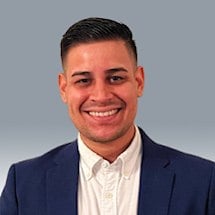
Roberto H. Lizarra Padua

Gavin E. Moats

Ana Reyes

Vincent Nieves Valpais

Matthew Velazquez

Marinelly López

Gwendolyn Moyer

Teddy Alfonso

Xiomara Lezcano

Nidia Rivera
Rafael Taylor
¿Por qué contratar a Consumer Law Group?
Más de 300 años de experiencia conjunta:
En Guardianes Del Pueblo, nuestra experiencia habla por sí misma. Con más de 30 décadas combinadas de servicio exitoso a clientes, tenemos amplia experiencia en cada asunto legal que manejamos.
Tecnología moderna:
Además de hacernos consultas en medios virtuales, podemos manejar todo su asunto de manera remota. Esto es, llevaremos un proceso legal sin necesidad de papeles físicos para que todo sea lo más transparente posible.
Representación a nivel nacional en migración:
Nuestro despacho es líder global en la ley migratoria de Estados Unidos. Estamos aquí para servir y cubrir sus necesidades de inmigración en todo el país y en el mundo.
Consultas virtuales:
Necesitar ayuda legal puede ser algo difícil de enfrentar. Para ayudarle a sentirse con confianza en el proceso, puede consultarnos desde la comodidad de su hogar a través de medios virtuales.
Representación bilingüe:
Sabemos lo importante que es comunicarnos en su idioma para poderle servir mejor. Por esto nos enorgullece ofrecer guía legal en inglés y en español.
Nuestra amplia variedad de servicios locales en Illinois
Además de que llevamos asuntos de migración a nivel nacional, también entregamos otros servicios legales disponibles para personas que viven en Illinois. Desde nuestras oficinas en Chicago, Berwyn, Aurora y Wheeling, nuestros abogados de Guardianes Del Pueblo se enfocan en ayudar a familias y personas con sus asuntos de ley de familia, defensa en asuntos penales, lesión personal, bancarrota, ejecuciones hipotecarias, ley de empleo y de compensación para trabajadores. Nos esforzaremos en luchar por usted en esos momentos en que necesita a alguien de su lado.
Si tiene un problema de ley de inmigración a nivel nacional o un problema legal en Illinois, contáctenos al 312-874-7777 o llene nuestro formato de contacto en línea.